

Unicompartmental Knee Replacement
What is a Unicompartmental Knee Replacement?
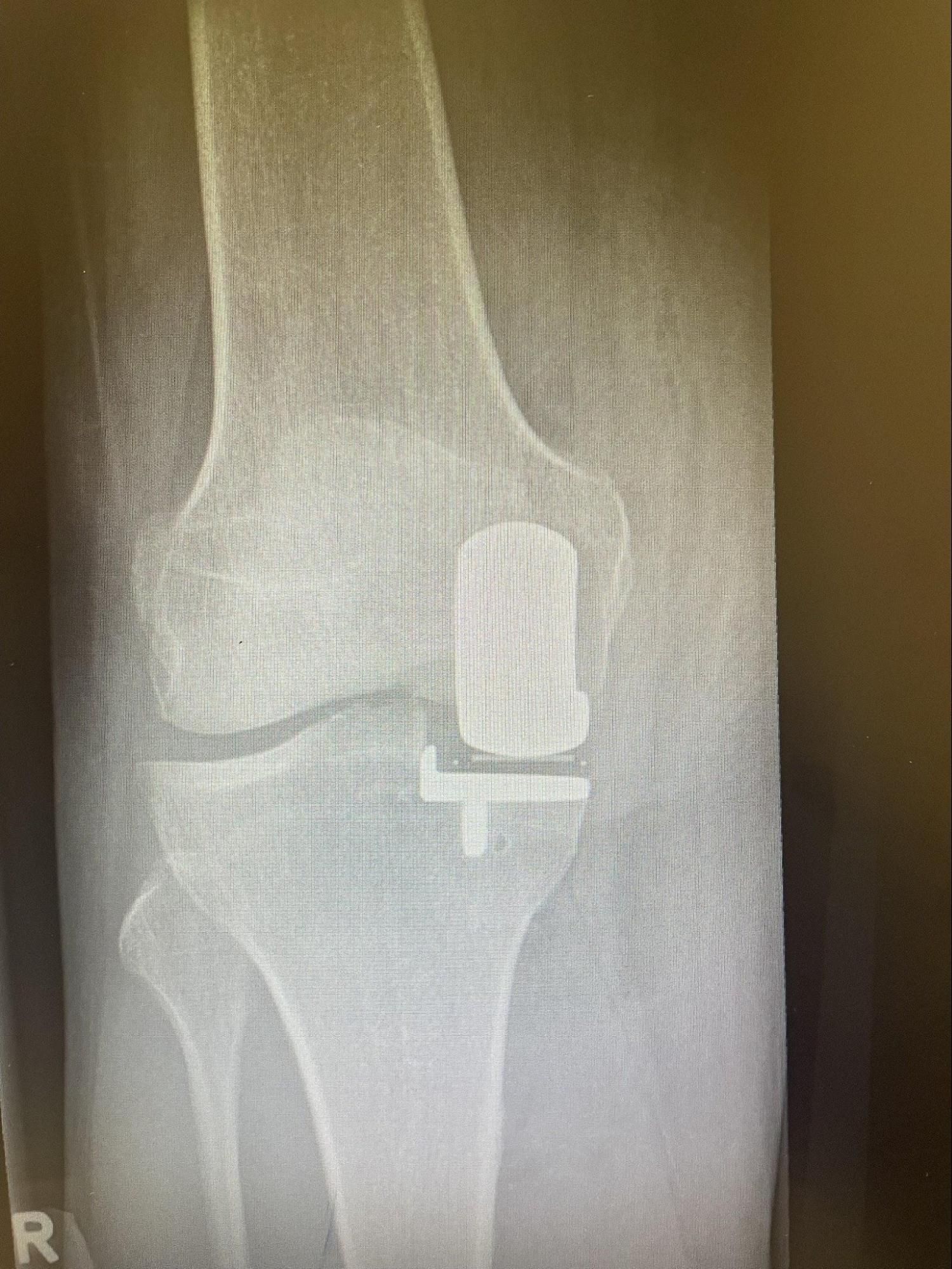
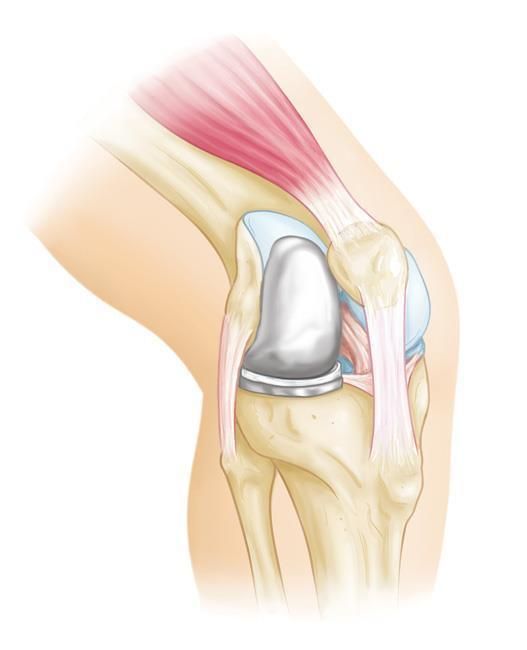
Unicompartmental knee replacement, also called partial knee replacement, is an operation used to treat arthritis that affects only one part of the knee. Instead of replacing the whole knee joint, the surgeon replaces only the damaged section with metal and plastic components. The healthy parts of the knee are preserved where possible. This can make the knee feel more natural than a total knee replacement for suitable patients.
The knee has three main compartments:
- Medial compartment: The inner side of the knee
- Lateral compartment: The outer side of the knee
- Patellofemoral compartment:
The front of the knee, where the kneecap meets the thigh bone
Who is Suitable for Unicompartmental Knee Replacement?
Unicompartmental knee replacement may be suitable for people who have painful arthritis in only one compartment of the knee. The pain is often localised to one side of the joint and may affect walking, stairs, standing, kneeling, exercise, sleep, and daily activities.
A person may be considered suitable if:
- The arthritis is limited: Damage is mainly in one compartment of the knee.
- The knee ligaments are working well: Important stabilising ligaments, such as the anterior cruciate ligament, may need to be intact depending on the case.
- The knee is not severely deformed: Mild bowing or alignment changes may be manageable, but more advanced deformity may require a total knee replacement.
- The knee still has reasonable movement: A good range of motion can support better recovery and function.
- Non-surgical treatment is no longer enough: Pain may continue despite physiotherapy, activity changes, weight management, medications, injections, or walking aids.
Not everyone with knee arthritis is suitable for unicompartmental knee replacement. If arthritis affects more than one compartment, or if there is significant stiffness, ligament damage, inflammatory arthritis, or more widespread joint disease, total knee replacement may be more appropriate.
Suitability is confirmed through a specialist assessment, physical examination, X-rays, and sometimes additional imaging.
Benefits of Unicompartmental Knee Replacement
Unicompartmental knee replacement offers several benefits for eligible candidates:
- Preservation of Healthy Tissue: Unlike total knee replacement, which involves removing all knee joint surfaces, partial knee replacement preserves the healthy portions of the knee. This means less disruption to the natural anatomy, potentially resulting in a more natural-feeling knee.
- Faster Recovery: The recovery time for partial knee replacement is often shorter than that for total knee replacement. Patients typically experience less pain and can return to their daily activities sooner.
- Improved Range of Motion: Many patients report improved knee function and a better range of motion following partial knee replacement.
- Less Blood Loss: Partial knee replacement generally involves less blood loss during surgery than total knee replacement.
- Lower Risk of Complications: Due to its less invasive nature, partial knee replacement carries a lower risk of certain complications, such as infection and blood clots, than total knee replacement.
Types of Unicompartmental Knee Replacement
There are different types of unicompartmental knee replacement procedures, each targeting a specific compartment of the knee:
- Medial Compartment Knee Replacement: The most common type of partial knee replacement. It addresses arthritis or damage in the inner part of the knee joint.
- Lateral Compartment Knee Replacement: This procedure treats issues in the knee's outer compartment.
- Patellofemoral Compartment Knee Replacement: When the front of the knee joint is affected, patellofemoral compartment knee replacement may be recommended.
Alternative Options to Unicompartmental Knee Replacement
Unicompartmental knee replacement is usually considered after non-surgical treatment has not provided enough relief. Alternative options may include:
- Physiotherapy: Strengthening the muscles around the knee may reduce strain on the joint and improve function.
- Weight management: Reducing body weight can lower knee pressure and may reduce pain in some patients.
- Activity modification: Changing high-impact activities to lower-impact exercise, such as cycling, swimming, or walking on even surfaces, may help.
- Pain relief and anti-inflammatory medication: These may help symptoms but should be used under medical guidance, particularly in people with stomach, kidney, heart, or blood pressure conditions.
- Bracing or walking aids: A brace, walking stick, or supportive footwear may help reduce load on the painful compartment.
- Injections: Corticosteroid or other injections may be considered in selected patients, although the effect may be temporary.
- Total knee replacement: This may be more suitable if arthritis affects multiple compartments or if there is more advanced joint disease.
- Osteotomy: In some younger or more active patients with one-sided arthritis and alignment issues, realignment surgery may be considered instead of replacement.
Preparation Before a Unicompartmental Knee Replacement
- Consultation and Evaluation: During this consultation, your surgeon will assess your knee, review your medical history, and conduct necessary tests, such as X-rays or MRI scans, to determine the extent of your knee damage and whether you are a suitable candidate for the procedure.
- Medication Review: It is important to discuss your current medications with your doctor. Some medicines may need to be adjusted or temporarily discontinued before the surgery.
- Physical Therapy: Engaging in physical therapy exercises before surgery can help strengthen the muscles around your knee and improve your range of motion, facilitating a smoother recovery.
- Home Preparation: Consider adjustments at home to ensure a safe and comfortable recovery. This may include installing handrails, securing rugs, and rearranging furniture to minimise tripping hazards.
- Assistance and Support: Arrange for a friend or family member to assist you during the initial days following the surgery. You may need help with daily tasks like cooking, cleaning, and transportation.
What Happens During a Unicompartmental Knee Replacement?
Unicompartmental Knee replacement is designed to allow a faster return to activity and maintain a ‘natural’ feeling knee.
- First, a small incision is made to expose the knee joint. The damaged bone and cartilage on the medial or lateral side (or patellofemoral) are removed with specialised cutting jigs and guides.
- Trial components are inserted to verify cut accuracy and ensure optimal joint alignment.
- The definitive components are then inserted, with or without cement, and the damaged knee is replaced with metal components (tibia and femur) and a plastic bearing between them.
What to Expect After a Unicompartmental Knee Replacement?
Pain Management
Your pain will vary depending on the individual; however, most patients find that pain is manageable from the smaller incision and less damaged bone requiring replacing. Usually, patients will initially require regular pain relief consisting of paracetamol and anti-inflammatories if indicated. Faster-acting pain medication will be given for periods of increased pain during the day (breakthrough pain). Like any medication, there can be side effects such as nausea, stomach upset or sedation. However, doses can be reviewed to ensure comfort and reduce these side effects. Ice and knee elevation every two hours are also recommended to help with swelling and pain.
Mobility
While in the hospital, a physiotherapist will visit you regularly to provide exercises and assist you with your return to walking. Full weight-bearing and walking are allowed immediately, initially with crutches. Most people can walk independently 10-14 days post-operation. You must perform the prescribed exercises to ensure optimal recovery.
Management of swelling by regularly applying ice and elevating the knee is also important for reducing swelling and regaining movement in the knee.
Return to Work and Sport
Your return to work will vary depending on the procedure and the type of work. A minimum of 4 weeks off work should be taken to allow your incision to heal and mobility to improve. You may require up to 6 weeks for labour-intensive work before returning to full duties.
During this period, patients are not fit to perform duties that include:
- Prolonged standing
- Heavy lifting
- Bending or,
- Excessive stair climbing
Low-impact activities such as cycling and swimming/hydrotherapy can be commenced from week 4 and are also recommended to help increase muscle strength and function. High-impact activities such as running and jumping are best avoided for 8-12 weeks post-operation.
Unicompartmental Knee Replacement Prognosis
The prognosis following a partial knee replacement is generally positive for eligible candidates. Here are some key points to consider:
- Pain Relief: One of the primary goals of partial knee replacement is to alleviate pain and improve knee function. Many patients experience a substantial reduction in pain and improved ability to perform daily activities.
- Improved Mobility: Partial knee replacement can lead to increased joint mobility and a better range of motion in the affected knee. This can enhance the overall quality of life and the ability to engage in physical activities.
- Longevity of Implants: The artificial implants used in partial knee replacement are designed to be durable and long-lasting. However, the longevity of implants can vary by person, and factors such as age, activity level, and implant type can influence their lifespan. 70% of partial knee replacements last 25 years.
- Success Rate: Partial knee replacement is highly successful when performed on appropriate candidates. Success is typically defined as improved pain relief and functionality.
- Patient Satisfaction: Many individuals who undergo partial knee replacement report high satisfaction with the procedure, as it can significantly improve their quality of life.
Unicompartmental Knee Replacement Risks
Like any surgical procedure, partial knee replacement carries risks, though they are less than those of total knee replacement. It is important to be aware of these risks when considering the surgery:
- Infection: Infection is a possible complication of any surgery. The risk is minimised through strict adherence to sterile technique during the procedure and to the use of antibiotics before and after surgery.
- Blood Clots: The immobility associated with the recovery process can increase the risk of blood clots forming in the legs (deep vein thrombosis) or travelling to the lungs (pulmonary embolism). Blood-thinning medications and early mobilisation are used to mitigate this risk.
- Implant Issues: While implant failure or loosening is rare, it can occur over time. This may necessitate revision surgery to replace or adjust the implant.
- Pain and Stiffness: Some patients may experience persistent pain or stiffness after surgery. This can often be managed with physical therapy and pain medications.
- Nerve or Blood Vessel Injury: Although rare, injury to nearby nerves or blood vessels can occur during surgery. Surgeons take precautions to minimise this risk.
- Allergic Reaction: Some individuals may have allergic reactions to the materials used in the implants. This is uncommon but should be discussed with your surgeon.
- Failure to Alleviate Pain: In some cases, partial knee replacement may not provide the expected pain relief or functional improvement. It is important to have realistic expectations and discuss potential outcomes with your surgeon.
What If Partial Knee Replacement Is Delayed?
Delaying a partial knee replacement should be considered carefully, as it can affect your quality of life and potentially worsen joint deterioration. Here are some potential consequences of delaying the procedure:
- Increased Pain and Discomfort
- Joint Damage Progression
- Functional Limitations
- Compromised Joint Health
- Reduced Quality of Life
Consult with an orthopaedic surgeon specialising in knee joint conditions to assess your situation and determine the most appropriate timing for partial knee replacement. Your surgeon can provide guidance based on the extent of your knee damage, your pain levels, and your overall health.
FAQs About Partial Knee Replacement
How long does a partial knee replacement usually take?
A partial knee replacement is usually a shorter operation than a total knee replacement, but the exact time can vary depending on the patient, the affected compartment, the implant system used, and whether robotic assistance is involved. Your surgeon can give you a more accurate estimate based on your knee anatomy and surgical plan.
Will I need a total knee replacement later?
Some patients may need a total knee replacement later if arthritis develops in the other compartments of the knee or if the partial knee replacement wears, loosens, or becomes painful. However, many patients do well for many years after a partial knee replacement, especially when the procedure is performed on the right candidate, and recovery is well managed. The existing content notes that partial knee replacement is generally most suitable when damage is localised to one area of the joint.
How big is the scar after partial knee replacement?
The incision for a partial knee replacement is usually smaller than the incision used for a total knee replacement. The final scar length can vary depending on the patient’s knee size, body shape, surgical technique, and the compartment being replaced. Over time, the scar often fades, although it may remain visible.
Can both knees have partial knee replacement?
Yes, some patients may be suitable for partial knee replacement in both knees if each knee has arthritis limited to one compartment. This may be done as separate operations or, less commonly, simultaneously, depending on the patient’s health, symptoms, the surgeon’s recommendation, and the hospital setting.
Can I kneel after a partial knee replacement?
Some people can kneel after a partial knee replacement, but it may feel uncomfortable or unusual for several months. Kneeling ability varies from person to person and may depend on scar sensitivity, swelling, strength, flexibility, and confidence. Patients should follow their surgeon’s and physiotherapist’s advice before returning to kneeling activities.