

Hip Replacement Surgery
What is Hip Replacement Surgery?
Hip replacement surgery is an operation that removes damaged or worn parts of the hip joint and replaces them with artificial components. These components are usually made from metal, ceramic, or medical-grade plastic.
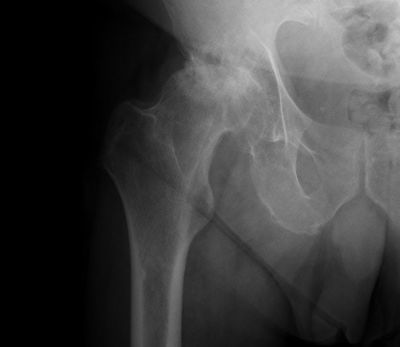
The hip is a ball-and-socket joint. The ball is the top of the thigh bone, called the femoral head, and the socket is part of the pelvis. When the joint becomes severely damaged, often due to arthritis, injury, or long-term wear, the smooth cartilage can break down. This may cause pain, stiffness, swelling, limping, and difficulty walking, standing, climbing stairs, or sleeping comfortably.
During hip replacement surgery, the damaged ball-and-socket surfaces are replaced with prosthetic parts designed to help the hip move more smoothly. The aim is to reduce pain, improve movement, and help patients return to everyday activities with greater comfort.
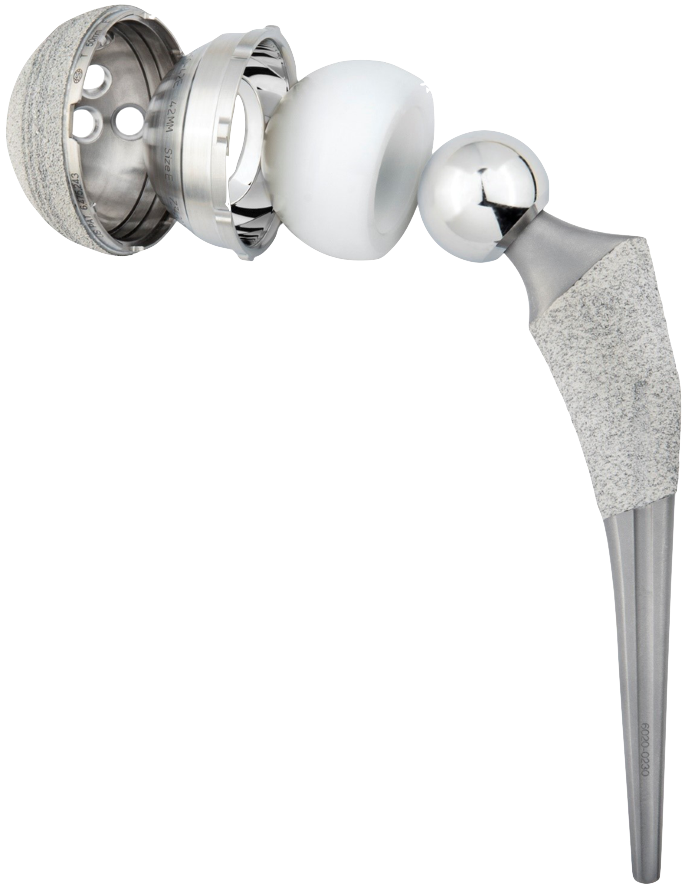
A hip replacement is one of the most successful operations performed by orthopaedic surgeons and, once performed, should last for decades (90% are still functioning after 20 years).
Who is Suitable for Hip Replacement Surgery?
Hip replacement surgery is typically recommended for patients with hip arthritis or hip fractures that cause severe pain and limited mobility. Surgery is usually considered when non-surgical treatments, such as medication, physical therapy, or assistive devices, fail to relieve symptoms. Candidates for hip replacement surgery must also have good overall health and be willing to adhere to the postoperative rehabilitation program.
Most hip replacement candidates are adults with degenerative disorders over 50.
Benefits of Hip Replacement Surgery
Hip replacement surgery offers many benefits for patients with hip pain and stiffness. The surgery can help to:
- Significantly reduce or eliminate hip pain, allowing patients to engage in their daily activities without discomfort.
- Improve hip joint function and mobility, enabling patients to walk, climb stairs, and perform other activities previously difficult or impossible.
- Improve patients' quality of life by enabling them to engage in activities they previously could not, such as sports, travel, and hobbies.
- Provide long-lasting relief from hip pain and stiffness, with many patients experiencing significant improvement in their hip function for 15 to 20 years or more.
Hip Surgery Recommendation
Once you and your surgeon have agreed on Hip Replacement Surgery, they will often discuss the options available, depending on your preferences. These may include the:
- Specific surgery type,
- Hip implant,
- Surgery Approach, and
- Surgery Method
These recommendations and the ideal approach to the hip, depending on the individual patient’s anatomy, will be provided by your doctor, who will advise you on the most appropriate hip replacement approach.
Hip surgery aims to return patients to their previous activity level with a fully functioning, pain-free hip joint. This may result in a return to high-impact and high-velocity sports (e.g., running, skiing, and tennis), but this cannot be guaranteed, as it depends on a range of surgical and non-surgical factors.

Hip Replacement Approaches
There are three main surgical approaches for Hip Replacement Surgery. The surgical approaches vary in several ways but essentially come down to how a surgeon cuts the soft tissues to reach the hip. The main approaches are Posterior (through the back of the hip), Anterior (through the front of the hip ) and Lateral (through the side of the hip).
A well-performed hip replacement is an effective operation, in terms of pain relief and improved quality of life, regardless of the approach used.
Hip Replacement Implants
There are many different types of artificial joint prostheses, all made from different materials and offering different bearing surfaces.
- Traditional Implants
- Dual Mobility Implants - suitable for both Posterior and Anterior approaches.
Surgical Methods
Robotic Assisted Orthopaedic Surgery
Accurate alignment of the hip components is critical to the overall function and improved outcomes after Hip surgery.
Your doctor employs Computer-assisted surgery (CAS), which utilises robotic or image-guided technologies to accurately pinpoint anatomical landmarks.
Further, the system can help navigate different bone cuts and implantation alignment.
Preparation Before a Hip Replacement Surgery
Patients should take certain steps to prepare for the procedure and ensure a successful outcome. These steps include:
- Medical Evaluation: Patients should undergo a thorough medical evaluation to determine whether they are suitable candidates for surgery and to identify any underlying health conditions that may affect the surgical outcome.
- Lifestyle Changes: Patients should make lifestyle changes, such as quitting smoking, losing weight, and improving their diet, to reduce the risk of complications and promote a timely recovery.
- Preoperative Rehabilitation: Patients should engage in preoperative rehabilitation, such as physical therapy, to improve hip strength and flexibility and to prepare for postoperative rehabilitation.
What Happens During a Hip Replacement Surgery?
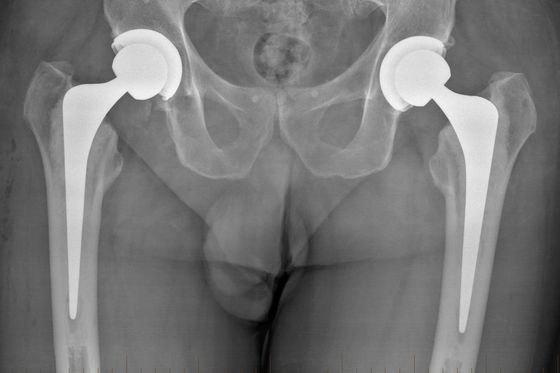
Hip Replacement involves removing the arthritic joint, placing a metal cup in the socket, and inserting a metal stem down the femur.
Here are the steps involved in a posterior hip replacement procedure:
- Anaesthesia: The patient is given general or regional anaesthesia to ensure they are comfortable and pain-free during the surgery.
- Incision: The surgeon makes an incision at the side of the hip joint through the surrounding muscles and tissues.
- Dislocation of the Hip Joint: The surgeon dislocates the hip joint by rotating the leg outward from the hip socket, exposing the damaged parts of the joint.
- Removal of Damaged Tissue: The surgeon removes the damaged parts of the hip joint, including the ball and socket, using specialised instruments.
- Placement of Artificial Components: The surgeon implants the artificial components, consisting of a metal or ceramic ball and a plastic socket, into the hip joint and secures them with cement or a press-fit technique.
- Closing the Incision: The surgeon closes the incision with stitches or staples and applies a dressing.
What to Expect After a Hip Replacement Surgery?
After hip replacement surgery, patients typically remain in the hospital for a few days to facilitate recovery. During this time, patients can expect the following:
- Pain Management: Patients will receive analgesics to manage pain and prevent complications.
- Physical Therapy: Patients will undergo physical therapy to improve hip strength and flexibility and prepare for post-operative rehabilitation.
- Assisted Mobility: Patients may require assistive devices, such as walkers or crutches, to facilitate safe ambulation.
- Postoperative Rehabilitation: Patients will receive a postoperative rehabilitation plan that includes exercises and activities to facilitate recovery and regain mobility.
Hip Replacement Surgery Recovery Plan
The recovery period after hip replacement surgery typically ranges from 6 to 12 weeks, depending on the patient's age, health, and other factors. During this period, patients should adhere to the postoperative rehabilitation plan and implement appropriate lifestyle modifications to facilitate recovery. These changes may include:
- Physical Therapy: Patients should continue physical therapy to improve hip strength and flexibility and restore mobility.
- Activity Modification: Patients should avoid high-impact activities such as running and jumping, and modify their daily activities to reduce strain on the hip joint.
- Medications: Patients may require analgesics, anticoagulants, and antibiotics to prevent infections and other complications.
- Follow-up Appointments: Patients should attend follow-up appointments with their surgeon to monitor their progress and ensure a successful recovery.
- Nutrition: Patients should maintain a healthy, balanced diet to promote healing and prevent infections.
- Emotional Support: Patients may require emotional support from family, friends, or a support group to cope with the physical and emotional challenges of recovery.
Hip Replacement Surgery Prognosis
Hip replacement surgery is a highly successful procedure that can significantly relieve hip pain and stiffness. According to the American Academy of Orthopaedic Surgeons, more than 95% of patients who undergo hip replacement surgery experience significant improvement in their hip function and pain relief. The longevity of the artificial joint depends on several factors, including the patient's age, activity level, and overall health. An artificial joint can generally last 15-20 years or longer with proper care and follow-up visits.
Hip Replacement Surgery Risks
As with any surgery, hip replacement entails risks and complications. Some potential risks and complications associated with hip replacement surgery include
- Infection
- Blood Clots
- Dislocation
- Leg length discrepancy
- Implant Failure
- Nerve or Blood Vessel Damage
It is essential to discuss the potential risks and complications of hip replacement surgery with your surgeon and follow their post-operative instructions carefully to minimise the risk of complications.
What if Hip Replacement Surgery is Delayed?
Delaying hip replacement surgery can result in prolonged pain and stiffness, reduced mobility, and increased risk of complications. It is essential to discuss the benefits and risks of delaying hip replacement surgery with your surgeon to determine the best course of action. In some cases, delaying surgery may lead to more severe health complications and reduced quality of life; therefore, it is important to weigh the benefits and risks carefully.
FAQs about Hip Replacement Surgery
How long does hip replacement surgery usually take?
Hip replacement surgery typically takes 1 to 2 hours, though this can vary depending on the patient’s anatomy, the condition of the hip joint, the surgical approach used, and whether additional complexity is involved. Time in the operating theatre may also include preparation, anaesthesia, positioning, and post-operative monitoring before the patient returns to the ward.
When can I walk after hip replacement surgery?
Many patients are encouraged to stand and begin walking with assistance soon after surgery, often on the same day or the following day, depending on their medical condition and the surgeon’s instructions. Early movement is usually part of the recovery plan because it can help improve circulation, reduce stiffness, and support safe mobility while the new hip begins to settle.
Will I need help at home after hip replacement surgery?
Most patients benefit from having support at home during the early recovery period. This may include help with meals, transport, household tasks, shopping, and safely moving around the home. Some patients may also need temporary home modifications, such as removing trip hazards, using a raised toilet seat, or arranging frequently used items within easy reach.
Can both hips be replaced at the same time?
In some cases, both hips can be replaced during one operation, known as bilateral hip replacement. However, this is not suitable for every patient. The decision depends on factors such as general health, age, fitness level, severity of symptoms in both hips, and the surgeon’s assessment of risk. Some patients may be safer having one hip replaced first, followed by the second at a later date.
What activities should I avoid after hip replacement surgery?
After hip replacement surgery, patients are usually advised to avoid activities that place excessive stress on the new joint, especially during early recovery. This may include high-impact exercise, heavy lifting, sudden twisting movements, and certain bending or crossing-leg positions, depending on the surgical approach used. The surgeon or physiotherapist will provide specific guidance on when it is safe to return to work, driving, exercise, sport, and recreational activities.