

Hip Pain & Anatomy
Hip Anatomy
The hip is one of the body’s largest and most important joints. It is a strong ball-and-socket joint that allows movement while supporting body weight during standing, walking, running, and climbing stairs.
The hip joint is formed by:
- Femoral Head: The rounded “ball” at the top of the thigh bone (femur).
- Acetabulum: The “socket” in the pelvis where the femoral head sits.
- Cartilage: Smooth protective tissue covering the joint surfaces to help reduce friction and absorb shock.
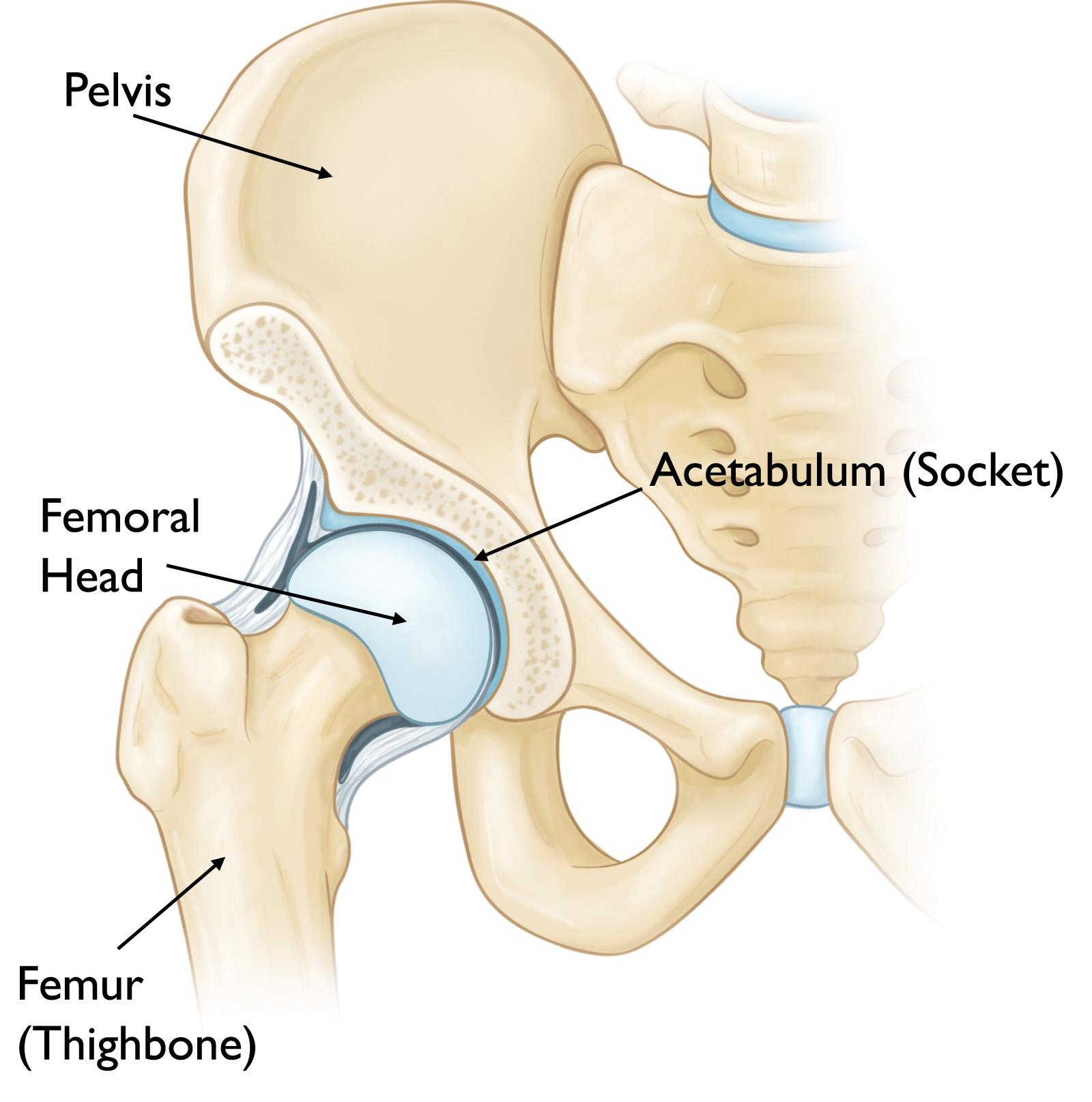
- Labrum: A ring of cartilage around the socket that improves joint stability.
- Ligaments: Strong connective tissues that help stabilise the hip joint.
- Muscles and Tendons: Including the gluteal muscles, hip flexors, hamstrings, and adductors that allow movement and support.
- Bursa: Small fluid-filled sacs that reduce friction between tissues.
Because the hip supports much of the body’s load, injuries, inflammation, arthritis, or structural problems can significantly affect mobility and quality of life.
What is Hip Pain?
Hip pain refers to discomfort felt in or around the hip joint. The pain may occur in the groin, outer hip, buttock, upper thigh, or even radiate toward the knee or lower back.
How Does Hip Pain Impact Your Anatomy and Health?
Hip pain can affect multiple parts of the musculoskeletal system and may alter the way the body moves and functions.
Common impacts include:
- Reduced Mobility: Pain and stiffness can limit walking, bending, squatting, or climbing stairs.
- Altered Walking Pattern: Patients may limp or shift weight away from the painful side, increasing stress on other joints.
- Muscle Weakness: Reduced activity can weaken surrounding muscles, particularly the gluteal and thigh muscles.
- Joint Stiffness: Inflammation or arthritis may decrease hip flexibility and range of motion.
- Reduced Balance and Stability: Hip weakness or pain can increase fall risk.
- Sleep Disturbance: Pain may worsen when lying on the affected side.
- Lower Back or Knee Strain: Hip problems can place extra stress on nearby joints and tissues.
- Reduced Physical Activity: Ongoing pain may contribute to weight gain, reduced fitness, and poorer overall health.
If left untreated, some hip conditions may progressively worsen and significantly affect independence and quality of life.
Risk Factors for Hip Pain
People at higher risk include:
- Older Adults: Particularly those with osteoarthritis or reduced bone density.
- Athletes and Active Individuals: Especially runners, football players, dancers, and cyclists.
- People with Repetitive Physical Jobs: Heavy lifting, climbing, or prolonged standing may increase hip strain.
- Individuals with Previous Injuries: Prior hip, pelvis, or lower back injuries may increase future risk.
- People with Obesity: Extra body weight increases stress across the hip joint.
- Patients with Arthritis or Inflammatory Conditions: Such as rheumatoid arthritis or ankylosing spondylitis.
- People with Structural Hip Problems: Including hip dysplasia or femoroacetabular impingement (FAI).
- Older Women: Particularly those at risk of osteoporosis and hip fractures.
- People with Poor Muscle Strength or Flexibility: Weak core and hip muscles may contribute to abnormal joint loading.
Causes of Hip Pain
Hip pain may arise from the joint itself or surrounding muscles, tendons, nerves, or bones.
Common causes include:
- Hip Osteoarthritis: Degeneration of cartilage within the hip joint.
- Hip Labral Tears: Damage to the cartilage ring around the socket.
- Femoroacetabular Impingement (FAI): Abnormal bone shape causing joint pinching during movement.
- Hip Bursitis: Inflammation of the fluid-filled sacs around the hip.
- Muscle or Tendon Strain: Overuse or sudden injury affecting surrounding soft tissues.
- Tendonitis: Inflammation of tendons around the hip.
- Hip Fractures: More common in older adults or after trauma.
- Sports Injuries: Including groin injuries and overuse syndromes.
- Referred Pain: Pain originating from the lower back, pelvis, or sacroiliac joints.
- Hip Dysplasia: Abnormal development of the hip socket.
- Inflammatory Arthritis: Such as rheumatoid arthritis.
- Infection or Bone Conditions: Less common but potentially serious causes.
Accurate diagnosis is important because different hip conditions often produce similar symptoms.
Symptoms of Hip Pain
Symptoms vary depending on the underlying cause and severity of the condition.
Common symptoms include:
- Pain in the Groin or Outer Hip: Often worsened by walking or movement.
- Stiffness: Difficulty bending, squatting, or rotating the hip.
- Reduced Range of Motion: Limited flexibility during activity.
- Limping: Due to discomfort or weakness.
- Pain During Weight-Bearing: Such as standing or climbing stairs.
- Clicking or Catching Sensation: Sometimes associated with labral tears or impingement.
- Pain at Night: Especially when lying on the affected side.
- Buttock or Thigh Pain: Pain may spread into nearby areas.
- Weakness: Reduced strength around the hip or leg.
- Swelling or Tenderness: More common with inflammation or injury.
Symptoms that worsen suddenly, involve inability to bear weight, or follow trauma may require urgent medical assessment.
Preventing Hip Pain
While not all hip conditions can be prevented, healthy lifestyle habits and proper movement patterns may reduce risk.
Prevention strategies include:
- Maintain a Healthy Weight: Reduces stress on the hip joints.
- Regular Exercise: Helps strengthen muscles supporting the hips and pelvis.
- Improve Flexibility: Stretching may reduce muscle tightness and improve movement.
- Use Proper Technique During Sports: Good biomechanics may reduce injury risk.
- Avoid Sudden Overtraining: Gradually increase the intensity of your activity.
- Wear Supportive Footwear: Proper support may improve alignment and reduce strain.
- Strengthen Core and Gluteal Muscles: Improves stability and joint control.
- Address Minor Injuries Early: Early management may prevent chronic problems.
- Prevent Falls: Particularly important for older adults at risk of fractures.
- Maintain Bone Health: Adequate calcium, vitamin D, and weight-bearing exercise may support bone strength.
Early assessment of persistent hip pain may help identify underlying conditions before they worsen.
Types of Hip Pain
Hip pain can be classified based on its location, cause, or the structures involved. Understanding the type of hip pain can help guide diagnosis and treatment.
Common types include:
- Groin Hip Pain: Often linked to problems inside the hip joint, such as arthritis, labral tears, or femoroacetabular impingement (FAI).
- Outer Hip Pain: Frequently caused by bursitis, gluteal tendon problems, or muscle irritation around the outer hip.
- Buttock Hip Pain: May be related to deep hip muscles, sacroiliac joint problems, or referred pain from the lower back.
- Referred Hip Pain: Pain originating from the spine, pelvis, or nerves that is felt around the hip.
- Acute Hip Pain: Sudden pain following trauma, sporting injury, or muscle strain.
- Chronic Hip Pain: Persistent pain lasting weeks or months, commonly associated with arthritis or overuse conditions.
- Mechanical Hip Pain: Pain triggered by movement, twisting, walking, or certain positions.
- Inflammatory Hip Pain: Caused by inflammatory conditions such as rheumatoid arthritis or ankylosing spondylitis.
- Overuse Hip Pain: Develops gradually due to repetitive movements or excessive loading.
- Hip Pain from Structural Abnormalities: Including hip dysplasia or impingement syndromes.
Different types of hip pain may overlap, and some patients may experience more than one contributing condition.
Stages of Hip Pain
The progression of hip pain varies depending on the underlying condition, but many cases develop gradually.
Stage 1 – Mild or Occasional Symptoms
At this stage:
- Mild discomfort may occur after activity.
- Symptoms are usually intermittent.
- Stiffness may develop after rest or exercise.
- Daily activities are generally unaffected.
Early intervention at this stage may help prevent progression.
Stage 2 – Increasing Pain and Reduced Function
During this stage:
- Pain becomes more frequent.
- Walking, stairs, or exercise may trigger symptoms.
- Hip flexibility may reduce.
- Patients may begin limping or avoiding activities.
- Sleep discomfort may start to occur.
Stage 3 – Persistent Pain and Joint Dysfunction
At this stage:
- Pain may occur during both activity and rest.
- Stiffness becomes more noticeable.
- Range of motion is significantly reduced.
- Muscle weakness may develop.
- Daily tasks such as dressing or walking long distances become difficult.
Stage 4 – Severe Functional Limitation
Advanced hip conditions may lead to:
- Constant pain.
- Significant mobility limitation.
- Major impact on independence and quality of life.
- Difficulty standing, walking, or sleeping comfortably.
- Progressive joint damage or deformity in some conditions.
Advanced stages may require more intensive treatment, including surgery in selected cases.
Diagnosis of Hip Pain
Diagnosis begins with a detailed medical assessment to identify the likely source of symptoms.
Medical History
Your doctor may ask about:
- Pain location and severity.
- When symptoms began.
- Previous injuries or surgery.
- Sporting or occupational activities.
- Aggravating or relieving factors.
- Associated symptoms such as clicking, weakness, or stiffness.
Physical Examination
The examination may assess:
- Walking pattern and posture.
- Hip range of motion.
- Muscle strength and flexibility.
- Areas of tenderness or swelling.
- Joint stability and function.
Special movement tests may help identify specific hip conditions.
Imaging Tests
Imaging may include:
- X-rays: Commonly used to assess arthritis, fractures, or bone shape abnormalities.
- MRI Scans: Useful for detecting labral tears, tendon injuries, cartilage damage, and soft tissue conditions.
- CT Scans: Sometimes used for complex bone or joint assessment.
- Ultrasound: May help evaluate bursitis, tendon conditions, or guide injections.
Additional Investigations
Depending on symptoms, further tests may include:
- Blood tests to assess for infection or inflammatory arthritis.
- Diagnostic injections to help identify the pain source.
- Bone density scans in patients at fracture risk.
An accurate diagnosis helps ensure appropriate treatment planning.
Treatment for Hip Pain
Treatment depends on the cause, severity, patient age, activity level, and overall health.
Non-Surgical Treatment
Many patients improve with conservative treatment.
Common options include:
- Activity Modification: Reducing aggravating movements or high-impact activities.
- Physiotherapy: Exercises to improve strength, flexibility, stability, and movement patterns.
- Pain Relief Medication: Anti-inflammatory medications or simple pain relief may help manage symptoms.
- Weight Management: Reducing joint load may improve pain and function.
- Ice or Heat Therapy: May help reduce pain and muscle tightness.
- Walking Aids: Temporary use of a cane or crutches may reduce stress on the hip.
- Injections: Corticosteroid or other guided injections may reduce inflammation and pain in selected cases.
- Exercise Programs: Low-impact activities such as swimming or cycling may help maintain fitness.
Surgical Treatment
Surgery may be considered when symptoms remain severe despite non-surgical care.
Depending on the condition, procedures may include:
- Hip arthroscopy (“keyhole surgery”).
- Labral repair surgery.
- Hip impingement surgery.
- Tendon repair surgery.
- Fracture fixation.
- Hip preservation procedures.
- Partial or total hip replacement surgery.
The most appropriate treatment depends on the individual patient and underlying diagnosis.
What if Hip Pain is Untreated?
Untreated hip pain may progressively worsen and affect multiple aspects of health and daily life.
Potential consequences include:
- Increasing Pain: Symptoms may become more severe and persistent.
- Reduced Mobility: Walking and physical activity may become increasingly difficult.
- Progressive Joint Damage: Certain conditions may worsen cartilage or bone damage.
- Muscle Weakness: Reduced activity can weaken supporting muscles.
- Loss of Independence: Severe hip dysfunction may limit daily activities.
- Sleep Disturbance: Ongoing pain can disrupt sleep and hinder recovery.
- Secondary Problems: Altered movement may contribute to knee pain, back pain, or balance issues.
- Reduced Fitness and Weight Gain: Decreased activity levels may affect overall health.
- Higher Fall Risk: Particularly in older adults with weakness or instability.
Early assessment may improve outcomes and help prevent long-term complications.
FAQs about Hip Pain
When should I see a doctor for hip pain?
You should seek medical assessment if hip pain persists for more than a few weeks, worsens over time, limits walking or daily activities, causes limping, or follows an injury.
Can hip pain cause knee pain?
Yes. Hip problems can sometimes cause referred pain into the thigh or knee, making the true source difficult to identify without proper assessment.
Is walking good for hip pain?
Gentle walking may help some conditions by maintaining mobility and muscle strength. However, excessive walking during painful flare-ups may worsen symptoms in certain cases.
Does all hip pain require surgery?
No. Many hip conditions improve with physiotherapy, exercise modification, medications, and other non-surgical treatments. Surgery is usually considered only when symptoms remain significant despite conservative care.
Can younger people develop hip pain?
Yes. Hip pain can affect people of all ages, including athletes and younger adults. Sporting injuries, impingement, labral tears, and structural hip abnormalities are common causes in younger patients.